
ROAD TOWN, British Virgin Islands — October 2, 2026
The ongoing dispute over charter vessel licensing fees between the British Virgin Islands (BVI) and the United States Virgin Islands (USVI) has taken a new turn, with BVI Premier Dr. Natalio Wheatley pushing for further discussions within the Territory while USVI Governor Albert Bryan Jr. seeks high-level talks in Washington, D.C.
The disagreement centres on the BVI’s Commercial Recreational Vessel Licence (CRVL) framework, which introduced significantly higher annual licensing fees for foreign-based charter vessels operating commercially in BVI waters. The issue has raised concerns among USVI charter operators and drawn the attention of U.S. federal agencies.
Premier Prefers Direct Discussions
Speaking on the Virgin Islands Voice programme on September 30, Premier Wheatley confirmed that he had responded in writing to Governor Bryan regarding the proposed Washington meeting.

In a statement released on October 1, the BVI Government said the Premier believes the two territories should continue addressing the matter through direct engagement rather than escalating discussions to the United States.
Wheatley maintained that the regulation of commercial activity within BVI waters falls under the authority of the locally elected government. He also noted that the Inter-Virgin Islands Council was established to provide a framework for the two territories to resolve shared concerns.
The Premier said the BVI remained open to further discussions with the USVI in the Territory and expressed hope that the two sides could reset their relationship and continue working together.
He also defended the fee changes, arguing that the charges apply to foreign-based charter vessels generally and are intended to license commercial activity rather than simply charge vessels for entering BVI waters.
According to the Premier, the government reviewed the fees because the previous licensing structure had remained largely unchanged since 1992. He also pointed to concessions made during discussions with the USVI, including adjustments to day-trip fees and additional-entry charges.

USVI Seeks Washington Meeting
Governor Bryan, meanwhile, has called for an Inter-Virgin Islands Council meeting in Washington during the week of October 12, with relevant U.S. federal agencies participating.
The request followed a September 17 meeting in Washington at which representatives from several federal agencies raised questions about the BVI’s charter vessel licensing framework and its implications for USVI businesses and cross-border maritime activity.
According to the USVI Government, the proposed meeting would address licensing fees, vessel-entry limits, customs and immigration procedures, documentation requirements, and arrangements for clearing vessels and crew.

The Bryan administration has also called for a documented work plan establishing responsibilities, deadlines and follow-up arrangements to address the outstanding concerns.
Governor Bryan has argued that the current requirements create additional costs and operational challenges for USVI-based charter companies, water taxis, dive operators and other marine businesses that depend on access to the BVI.
The USVI Government has said federal agencies may consider matters within their respective areas of responsibility if the dispute remains unresolved. However, no new federal restrictions or retaliatory measures have been confirmed in the announcements reviewed.
What Are the Disputed Charter Fees?
Under the revised fee structure announced in April 2025, foreign-based charter operators face the following annual charges:
- Term charter vessels: US$7,500 for up to seven entries into BVI waters.
- Additional entries: US$2,100 for each entry beyond the first seven.
- Unlimited-entry term charter licence: US$24,000 annually.
- Day-trip charter operators: US$8,500 annually.
- Water taxis: US$2,500 annually.
The revised rates followed discussions between the two governments and adjustments to earlier proposals, including a reduction in the proposed annual day-trip fee from US$12,500 to US$8,500.
Despite those changes, concerns remain over the overall cost of operating in BVI waters, the limits on vessel entries and the administrative requirements associated with commercial operations.
Potential Implications for Tourism and Marine Businesses
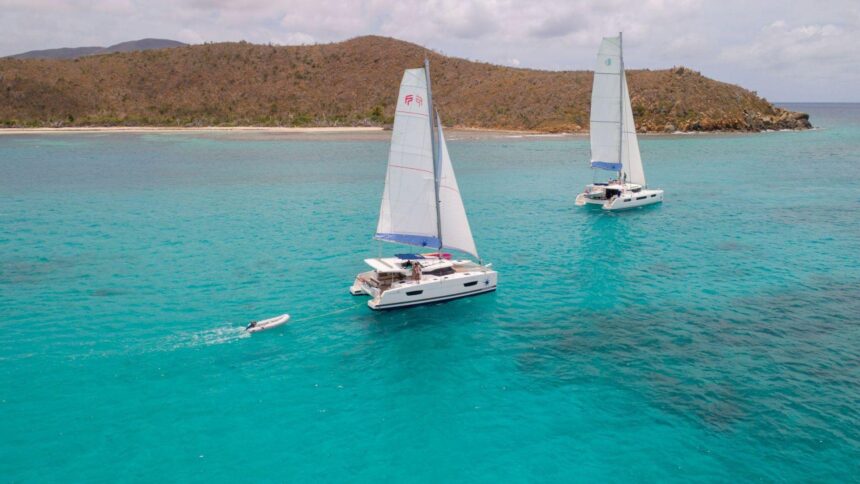
The dispute carries implications for the wider Virgin Islands economy, where charter boating, yacht tourism, day trips, water taxis, marinas, restaurants and other visitor-related businesses are interconnected.
USVI-based operators that regularly bring visitors to the BVI could face higher operating expenses under the licensing structure. Those costs may influence business planning, charter itineraries and decisions about cross-border services.
For the BVI, the government maintains that foreign commercial operators should contribute through an updated licensing system that reflects the value of the industry and the use of local waters.
The outcome of the discussions could therefore have implications for both territories as businesses prepare for the winter tourism and charter season.
However, the precise economic impact will depend on how operators respond and whether any changes to the existing arrangements are agreed.
No New Agreement Announced
As of October 2, the latest public statements reviewed do not establish that the two governments have agreed on a new fee structure or resolved their differences over the proposed Washington meeting.
The BVI Government has expressed a preference for continued bilateral discussions in the Territory, while the USVI administration is seeking a meeting involving U.S. federal representatives.
Whether the two sides can agree on a way forward remains an important question for charter operators and other businesses across the Virgin Islands.
For now, the existing fee framework remains the basis of the dispute, and marine industry stakeholders will be watching for further announcements from both governments.
VIBulletins will continue to follow developments in the BVI–USVI charter fee dispute and report on confirmed changes affecting local businesses, tourism and the regional marine industry.
Sources: Government of the Virgin Islands (BVI), October 1, 2026; Government of the United States Virgin Islands, September 18, 2026; joint BVI–USVI charter fee discussions, April 2025.